2023.12.15
What are the modified plastics for car lights?
Page view:901
The main components of automotive headlights are composed of mirrors, lenses, shells, light sources, electronic circuits, and installation accessories, etc. With the development trend of automotive lightweight, the proportion of plastics in automobiles is getting higher and higher.
Why choose plastic for headlights
At present, the main plastics used in China's headlights are PC, PP, ABS, PMMA and a few other plastic materials. Plastic has light weight, corrosion resistance, good impact resistance, high transparency, good insulation, low thermal conductivity, good mechanical properties, strong plasticity, molding processing and other advantages, more and more widely used in various fields.
The application of modified plastics in headlights -- PC
Polycarbonate (PC) is a high molecular polymer with carbonic ester group in its molecular chain. Polycarbonate is known as bulletproof adhesive because of its excellent mechanical properties. It has the characteristics of high mechanical strength, wide use temperature range, good electrical insulation performance (but the anti-arc performance is unchanged), good dimensional stability, and good transparency. It is widely used in car lights and other fields.
PC in the headlight plastic materials accounted for about 50%, mainly used in headlights and fog lamps, aluminum plated decorative parts and external lighting mirrors. PC and aluminum plating layer bonding force is very good, can be directly on the PC substrate aluminum plating.
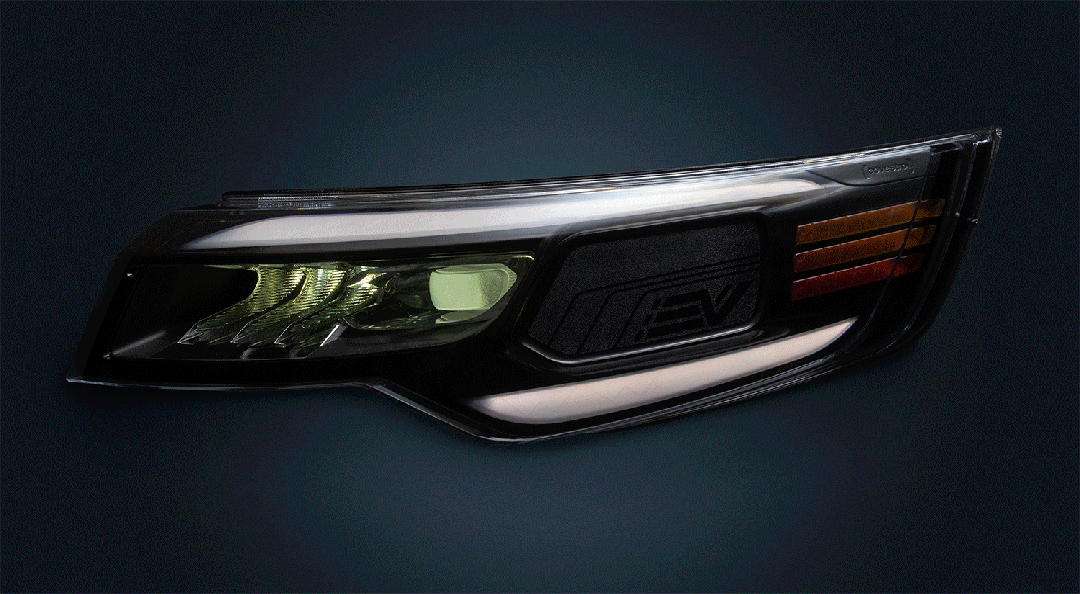
Headlights: Polycarbonate reduces weight and improves design
Headlamp lenses made of polycarbonate offer car designers previously unimaginable freedom compared to glass, while significantly reducing component weight. In addition, polycarbonate also meets the strict optical requirements of light transmission, high temperature stability and resistance to LED light. Because polycarbonate lenses can be machined into almost any shape, they can concentrate light more efficiently than glass lenses.
Taillights: Polycarbonate diffuser films meet iconic appearance and design flexibility requirements
Lightweight polycarbonate diffusion membranes help manufacturers meet imaginative automotive OEM lighting design requirements with innovative solutions. These films have clear color and excellent light transmission and diffusion. These features improve vehicle appearance and hide LED hot spots, thereby improving vehicle safety and enhancing design.
In general, the film is placed behind the acrylic lens cover for LED backlighting. The material is easily formed and can be die-cut or laser cut to meet iconic appearance and design requirements. Laser etching or embossing coatings can also enhance the scattering effect.
PBT/PET
PBT commonly known as poly (p-phenyl-dimethyl-butylene glycol ester), the modified PBT mechanical properties are better (glass fiber reinforced PBT accounts for more than 70% of the market), similar to PA, POM, small friction coefficient, good self-lubrication, good thermal stability and chemical stability, excellent electrical insulation, high rigidity and hardness, good impact, high dimensional stability, good heat resistance.
PBT is generally used in the headlamp decoration ring, adjusting device bracket. PBT and ASA modified and reinforced with glass fiber can be used to make the shell of fog lamp.
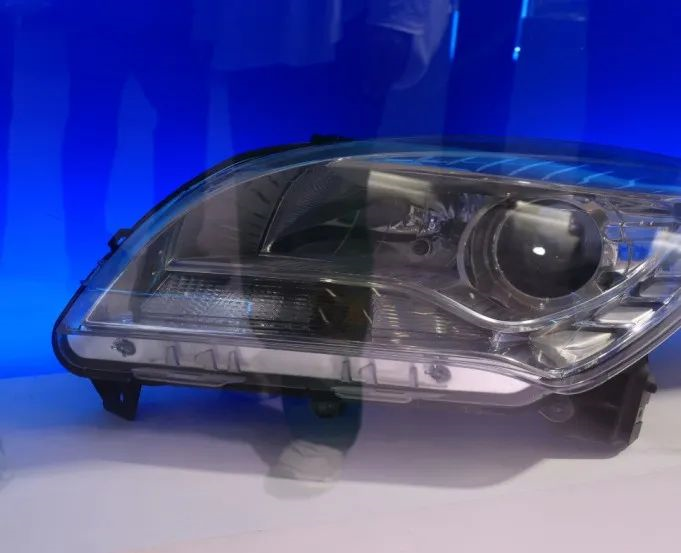
PA nylon
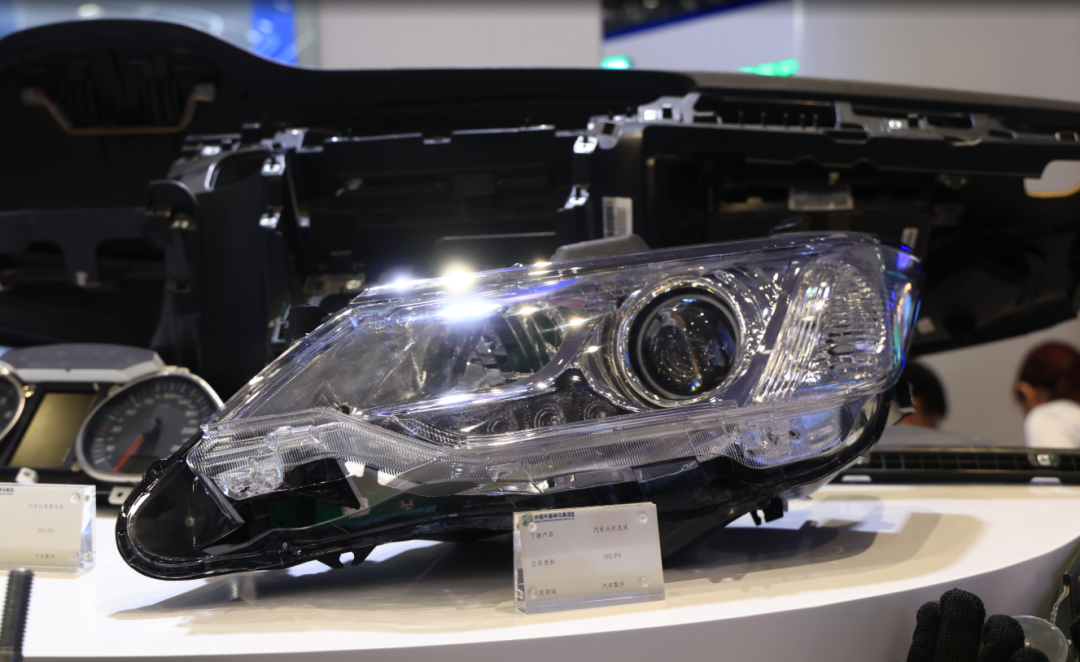
PC / ABS
In the field of headlights, ABS is generally used after modification with PC materials, and the proportion of PC contained in ABS is determined according to the difference in the use temperature and impact performance. ABS, PC/ABS are generally used for taillight housing and trim.
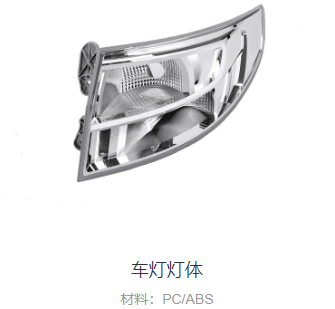
PPS
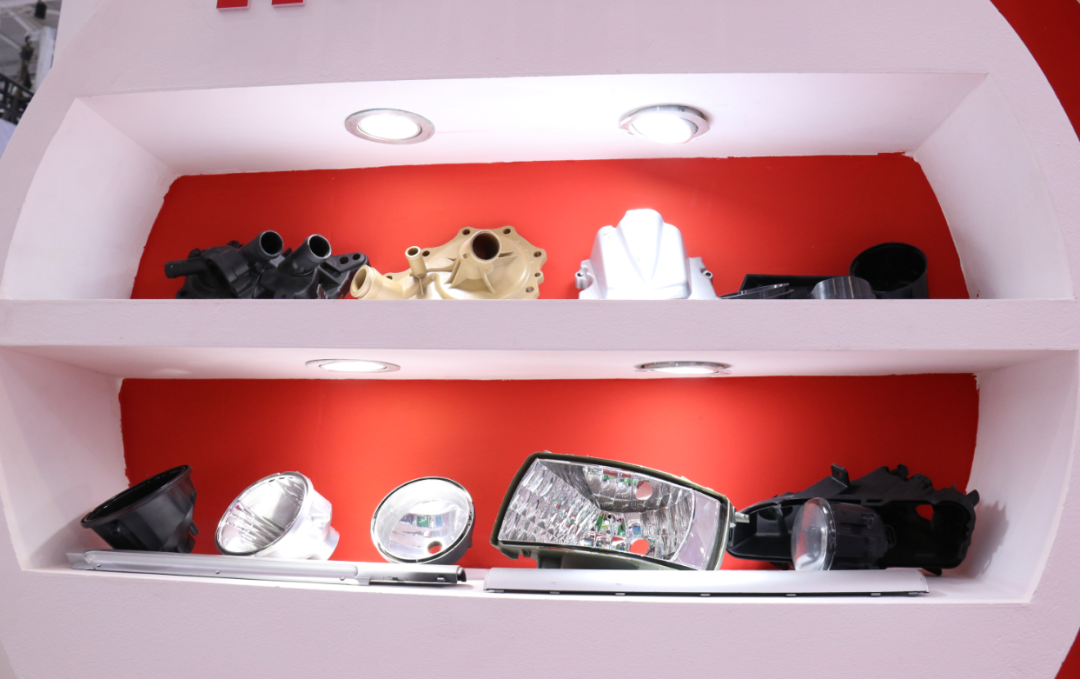
Other materials
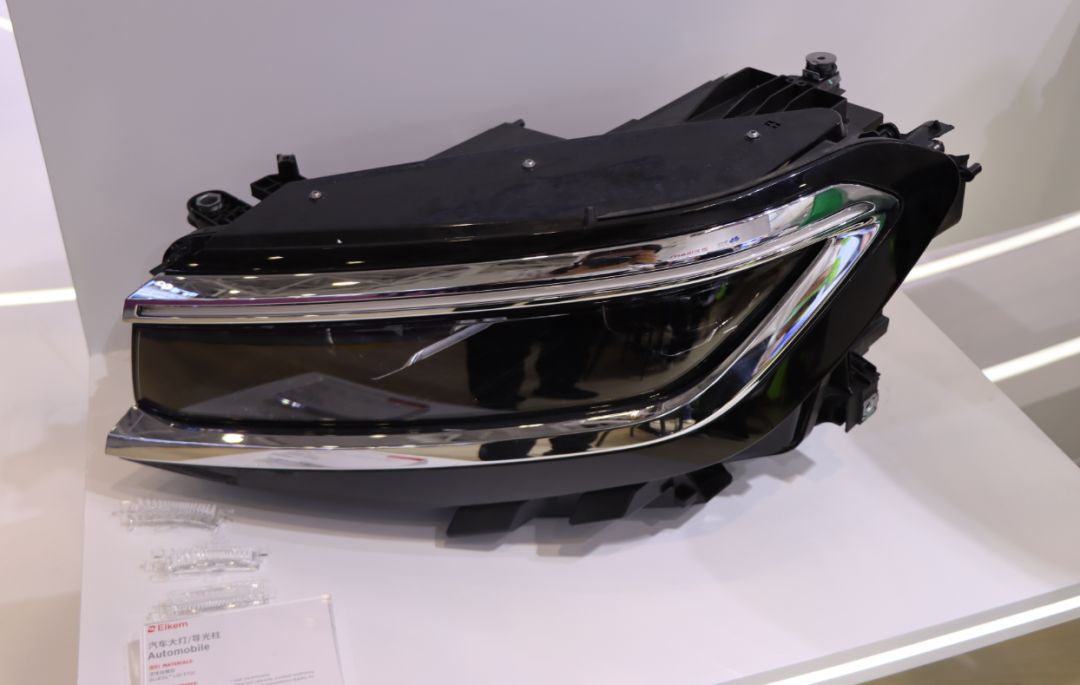
Liquid silicone rubber properties: good light transmission performance, yellowing resistance, good weather resistance, can maintain long-term high permeability, low viscosity, good processing performance.
Shanghai Qishen as a professional engaged in polymer new materials and modified engineering plastics research and development production of high-tech enterprises. The product has the advantages of good flame retardancy, strong impact resistance, high fluidity, good processing performance, etc., so it is widely used in household appliances, electronics, automobiles and other fields.
Previous:POM capacity expansion after t...
Next:Technology helps plastic waste...